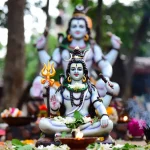

Maha Shivaratri 2026 in Adelaide: A Night of Silence, Self-Mastery, and Shiva Consciousness in South Australia
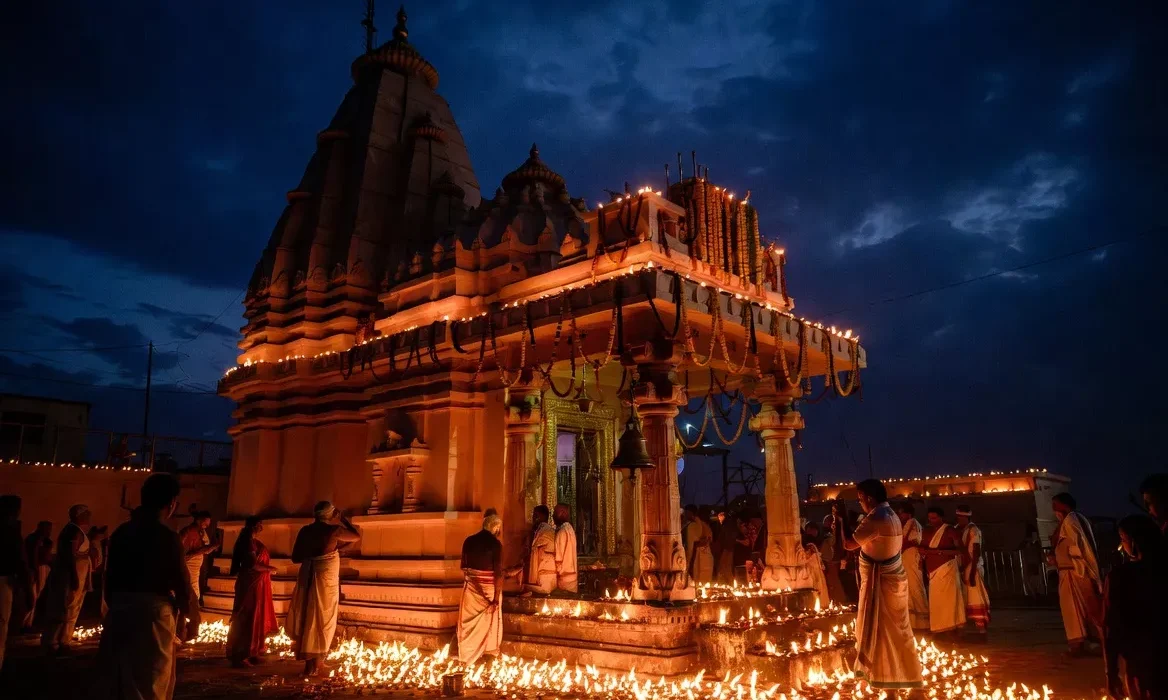
Maha Shivaratri in Adelaide: Stillness Amid Parklands, Hills, and Gentle Winds Adelaide, with its green parklands, surrounding hills, and Mediterranean climate, provides a peaceful setting for reflection. On Maha Shivaratri, the city’s calm deepens as Hindu families and communities turn toward introspection. Homes quieten, temples stay illuminated through the night, and devotees choose awareness over indulgence.
Maha Shivaratri celebrates Lord Shiva as the destroyer of illusion and the embodiment of pure consciousness—not through festivity, but through restraint and inner focus. For Adelaide’s Hindu community, scattered across suburbs like Oaklands Park, Marion, Salisbury, and beyond, it is a sacred night of discipline, surrender, and reconnection with the divine stillness within.
Maha Shivaratri 2026 Date and Timings in Adelaide (South Australia) Adelaide follows Australian Central Daylight Time (ACDT) in February (daylight saving applies).
- Maha Shivaratri Date: Sunday, 15 February – Monday, 16 February 2026
- Chaturdashi Tithi Begins: Approximately 9:04 PM ACDT, February 15 (aligned with panchang for the region)
- Chaturdashi Tithi Ends: Approximately 9:34 PM ACDT, February 16
- Nishita Kaal (Most Auspicious Period): 1:09 AM – 1:51 AM ACDT, February 16
- Parana (Breaking the Fast): After sunrise, approximately 6:49 AM ACDT, February 16 (Parana window typically until midday or afternoon)
In Shaiva tradition, Nishita Kaal is the profound midnight phase when the mind naturally settles, opening the gateway to effortless Shiva awareness.
Why Shivaratri Is a Night, Not a Day Festival Shiva, the Adiyogi, resides in silence, detachment, and the transcendence of duality. The night-long vigil represents:
- Conscious overcoming of tamas (inertia, sleep)
- Mastery over desires and distractions
- Stillness of body, clarity of thought
- Union of individual awareness with universal consciousness
In Adelaide’s balanced lifestyle—markets, beaches, and outdoor living—this voluntary discipline counters habitual comfort, inviting deeper presence.
Major Maha Shivaratri Temples in Adelaide and South Australia Adelaide’s Hindu temples emphasize sincere devotion—abhishekam, mantra japa, and collective quiet—over elaborate displays.
Key Shivaratri Observances in Adelaide Region
- Adelaide Siva Ganesha Temple Located at 5 Hussey Avenue, Oaklands Park, this temple is a central spiritual hub dedicated to Lord Shiva and Ganesha. It hosts night-long Shivaratri pujas, abhishekam, Vedic chanting, and community gatherings, welcoming devotees for darshan and participation.
- Shri Ganesha Temple (Hindu Society of South Australia) At 3A Dwyer Road, Oaklands Park, this heritage-listed temple (the first Hindu temple in SA) observes Shivaratri with prayers, aartis, and all-night programs focused on Shiva worship and meditation.
- Hanuman Mandir South Australia / Shri Pashupati Nath Temple Features a dedicated Pashupati Nath Shivling; known for special Shivaratri events including abhishekam, bhajans, and overnight vigils, often with community involvement.
- Shiva Mandir Adelaide A dedicated spiritual center for Lord Shiva, conducting sincere observances with mantra recitation and night-long awareness.
These temples become sanctuaries of calm, fostering shared devotion amid Adelaide’s suburban tranquility.
The Four Praharas of Shivaratri (South Australia Observance) Each Prahar guides deeper layers of inner purification:
First Prahar (Evening)
- Sankalpa and setting intention
- Initial abhishekam and offerings
- Releasing the day’s activities
Second Prahar (Late Night)
- Continuous “Om Namah Shivaya” japa
- Bhajans on detachment and peace
- Listening in silence
Third Prahar – Nishita Kaal (Midnight)
- Most potent spiritual window
- Maha Mrityunjaya Mantra and deep meditation
- Pure, expectation-free awareness
Fourth Prahar (Pre-Dawn)
- Gratitude, surrender, and completion
- Breaking the fast mindfully
- Re-entering the world with renewed clarity
Shivaratri Fasting in Adelaide’s Warm February Climate South Australia’s summer temperatures require gentle fasting to maintain health and focus.
Common Shivaratri Fasting Practices in Adelaide
- Phalahar: Fruits, milk, yogurt, sabudana, coconut water
- Simple milk/water fast
- Light sattvic meal before sunset (for those needing modification)
The essence is mental purification—weakening cravings rather than causing physical stress.
Home Shivaratri Worship in Adelaide Households Many prefer home practice due to distance or convenience.
Simple Home Puja Setup
- Shiva Lingam or image
- Milk/water for abhishekam
- Bilva leaves (available at Indian stores in areas like Enfield or Marion)
- Diya, incense, flowers
- Quiet space for undisturbed sadhana
Shiva accepts sincerity above complexity.
Introducing Shivaratri to Children in South Australia For children growing up in Australia’s relaxed culture, frame it as:
- A peaceful family night
- Learning focus and self-discipline
- A gentle break from screens and activity
- Stories of Shiva as the meditative yogi
Simple breathing exercises, short tales, or small offerings help instill understanding naturally.
The Relevance of Shivaratri in Modern Adelaide Life In a city valuing balance, nature, and well-being, Shivaratri offers:
- Chosen restraint amid plenty
- Freedom from attachment to comfort
- Silence as inner strength
- Awareness as true richness
Many Adelaide residents—professionals, students, families—embrace it as an annual spiritual recharge.
Frequently Asked Questions (Adelaide Context) Is temple attendance compulsory? No—Shiva responds to inner sincerity, not location.
Is fasting mandatory? No—reducing distractions and cultivating awareness is equally valid.
Can non-Hindus attend Shivaratri in Adelaide? Yes—temples welcome respectful visitors with open hearts.
Conclusion: Maha Shivaratri as Inner Stillness in South Australia On Maha Shivaratri 2026, as Adelaide’s hills glow under moonlight and the city quiets, devotees stay awake—not for spectacle, but to dissolve mental noise into pure clarity and peace.
Shiva is realized not in loud rituals, but in the silent mind.
That silence is Shivaratri.
Om Namah Shivaya Har Har Mahadeva
Related posts:
 Maha Shivaratri 2026 Puja Vidhi | Home Rituals | Canada Friendly Guide
 Maha Shivaratri 2026 Significance & Katha | Shiva Stories
 Sri Chamarajanagara Sri Male Mahadeshwara Swamy Temple – Maha Shivaratri 2026: Massive Jathre, Hilltop Devotion & Karnataka’s Powerful Shiva Pilgrimage
 Kotilingeshwara Temple, Kolar – Maha Shivaratri 2026: Million Lingas Darshan, Grand Abhishekam & Karnataka’s Monumental Shiva Shrine
 Ekambareswarar Temple Kanchipuram Maha Shivaratri 2026
 Aundha Nagnath Jyotirlinga Maha Shivaratri 2026 Hingoli
 Brisbane & Gold Coast: Queensland’s Sacred Nights of Shiva Consciousness
 Hombale Films Releases Shiva Shambho Swayambho Promo – Watch Now