

Holi 2026 in Bangladesh: Dol Purnima Date & Traditions
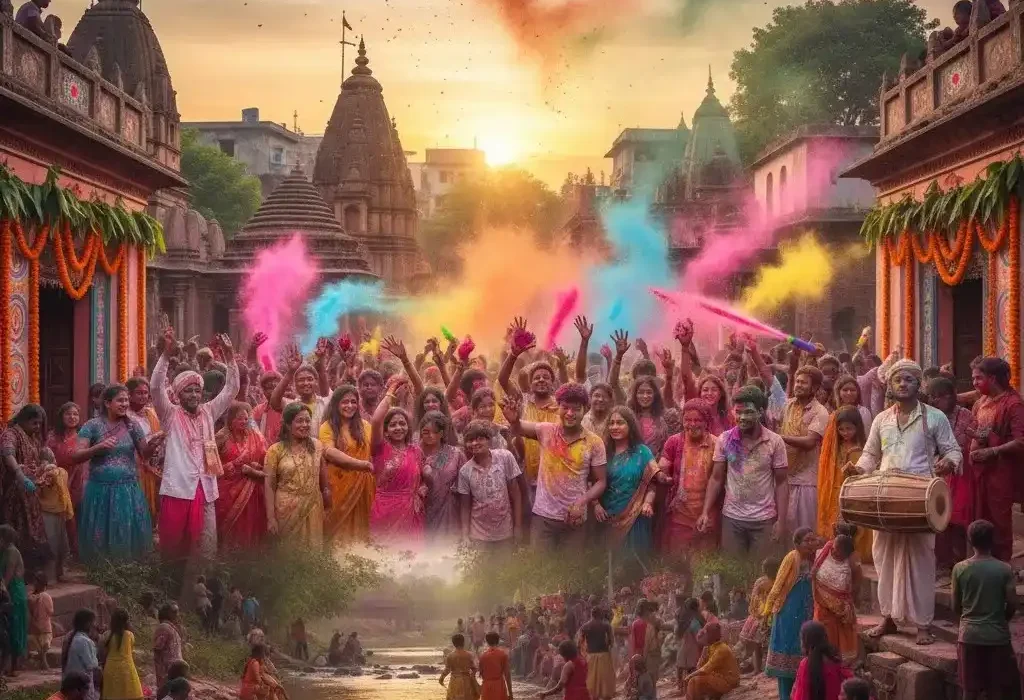
Holi 2026 in Bangladesh: Dol Purnima Dates, Spiritual Importance, Events & Hindu Traditions
Holi 2026 in Bangladesh, revered as Dol Purnima or Dol Jatra, unfolds as a radiant festival of colors, devotion, and seasonal joy among the Hindu community. This celebration, deeply shared with Bengal’s traditions (West Bengal’s Dol Jatra and Basant Utsav), marks the triumph of good over evil, the ecstatic divine love of Radha-Krishna, and spring’s awakening—ushering renewal and harmony.
Bangladesh’s Hindu population, rooted in ancient Bengali Vaishnava heritage, observes Holi 2026 in Bangladesh with fervor, blending religious rituals, cultural expressions, and community bonding. In a minority context, Dol Purnima fosters inclusivity—neighbors often join in goodwill, embodying vasudhaiva kutumbakam (the world as one family). The festival’s gentle, devotional tone emphasizes Krishna bhakti, forgiveness, and nature’s renewal, resonating amid Bangladesh’s rivers, fields, and vibrant culture.
Dol Purnima 2026 Bangladesh aligns with Phalguna Purnima: Holika Dahan (bonfire ritual) on the evening of Tuesday, March 3, 2026 (Pradosh kaal, muhurat varying by location but generally after sunset), and Rangwali Holi / Dol Purnima (main color play and swing festival) on Wednesday, March 4, 2026. March 3 is listed as an optional holiday in some calendars for Hindu communities, allowing temple visits and observances.
This guide explores Holi 2026 in Bangladesh from a Hindu spiritual viewpoint—its shared Bengal roots, profound mythology, key events in Dhaka and Chittagong, traditions, and mindful celebration practices.
Spiritual Importance of Dol Purnima in Bangladesh
Dol Purnima draws from the same sacred legends as Holi, infused with Bengal’s Vaishnava devotion.
The Prahlad-Holika story highlights bhakti’s power: Prahlad’s faith in Vishnu shielded him from tyranny, burning Holika instead. Holika Dahan purifies—offering negativity and ego to flames—symbolizing inner renewal and protection through surrender.
Central to Bengal’s observance is Radha-Krishna’s divine play: Krishna’s color-smearing with Radha and gopis represents prema bhakti (sweet love) and ananda (bliss). Dol Jatra emphasizes the “swing” (dol) ritual—deities on swings symbolizing life’s gentle rhythm and divine romance. In Bangladesh, this evokes Krishna’s leela in Vrindavan, adapted to local devotion—gentle colors, songs, and processions foster emotional surrender.
Spiritual themes include:
- Love & Devotion: Celebrating Radha-Krishna’s bond; colors dissolve barriers, awakening heart-centered bhakti.
- Good Over Evil: Fire ritual burns vices; forgiveness rituals heal relationships.
- Spring Renewal (Basant Utsav): Phalguna Purnima heralds Vasanta—mirroring soul’s blossoming amid nature’s bloom.
- Harmony in Diversity: In minority settings, Dol Purnima promotes peaceful coexistence and interfaith goodwill.
Mantras enhance devotion:
- “Om Namo Bhagavate Vasudevaya” for Krishna bhakti.
- “Om Holikaye Namah” during bonfire.
- Forgiveness: “Kshama Yachami.”
Phalguna Purnima‘s lunar potency amplifies emotional release and spiritual upliftment.
Shared Roots with Bengal: Dol Jatra & Basant Utsav
Holi 2026 in Bangladesh mirrors West Bengal’s Dol Jatra—processions with Krishna idols on swings, gentle gulal application, Rabindra Sangeet-inspired songs, and Basant Utsav’s poetic celebration of spring. Influenced by Gaudiya Vaishnavism and Tagore’s legacy, Bangladeshi Hindus emphasize devotion over exuberant play—focusing on temple rituals, bhajans, and family harmony.
Dol Purnima 2026 Dates & Observance
Holi 2026 in Bangladesh follows the lunar calendar:
- Holika Dahan: Evening of March 3, 2026 (bonfires in temples/communities).
- Dol Purnima / Rangwali Holi: March 4, 2026 — main day of colors, swings, and gatherings.
March 3 often serves as an optional holiday for Hindu observances, enabling temple visits and family time.
Events & Traditions: Holi Celebrations Dhaka 2026 & Beyond
Holi celebrations Dhaka 2026 center on temples and communities, blending devotion and joy.
- Dhaka: ISKCON Dhaka, Dhakeswari National Temple, and other mandirs host morning aartis, kirtans, and color offerings. Devotees swing Krishna-Radha idols, apply gulal gently, and share prasad. Community gatherings in Hindu neighborhoods feature folk songs and family play.
- Chittagong: Temples like Shantaneshwari and community halls organize pujas, bhajans, and modest color play. Processions echo Bengal traditions.
- Other Areas (Sylhet, Dinajpur): Rural celebrations include home bonfires, temple visits, and feasts.
Events prioritize spiritual immersion—kirtans, seva, and harmony—while welcoming all.
How the Hindu Community Celebrates Devotionally
- Morning Rituals: Temple pujas, swing ceremonies for deities.
- Holika Dahan: Circumambulate bonfires, chant mantras.
- Dol Play: Gentle gulal application, folk songs, dances.
- Feasts: Share gujiya, malpua, thandai as prasad.
- Forgiveness: Reconcile with hugs and greetings.
- Eco-tips: Natural gulal, minimal water, clean-ups.
Conclusion: Devotion, Harmony, and Renewal
Holi 2026 in Bangladesh as Dol Purnima renews the spirit—love triumphs, devotion awakens, harmony prevails. In minority contexts, it preserves heritage while embracing unity.
Subscribe to www.hindutone.com for more festival insights. Hari Bol! 
Related posts:
 Holi 2026: Festival of Colors, Love and Renewal in Hinduism
 Holi Celebrations in UAE 2026: Complete Guide to Festival of Colors in Dubai, Abu Dhabi & Sharjah
 Holi 2026 in Mauritius: Date & Beach Celebrations
 Phagwah 2026 Guyana: Holi Dates & Celebration Guide
 Ultimate Guide to Holi 2026 Celebrations in New York City & New Jersey
 Holi 2026 in the United States – Newjersey
 Holi 2026 Events in USA: Top Celebrations, Dates, Locations & Guide for Hindus in America
 Holi 2026 Events in Australia: Top Celebrations, Dates, Locations & Guide for Hindus Down Under | www.hindutone.com
